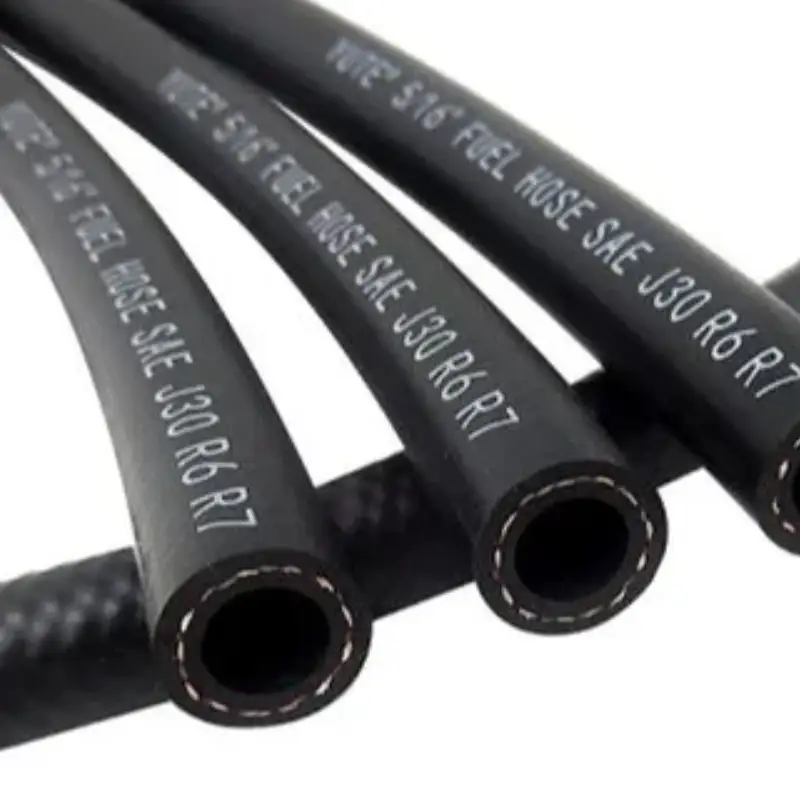
A high pressure hose should be replaced immediately when it shows visible cracks, leaks, swelling, exposed reinforcement, abnormal bending, or repeated pressure loss. In industrial hydraulic applications, hose-related failures account for a large percentage of fluid system problems, with maintenance reports showing that aging, abrasion, and improper installation are common causes. A hose working at 3,000–5,000 psi can release large amounts of stored energy if the reinforcement layers fail, so regular inspection and timely replacement are required.
High pressure hoses are designed to handle specific pressure, temperature, and movement conditions. A hose that works well in one machine may fail earlier in another environment because vibration, chemicals, heat, and bending frequency affect material performance.
A hose does not need to be completely broken to require replacement. Small changes in appearance, flexibility, or performance can indicate that the assembly no longer works as designed.
The first sign that a hose may need replacement is visible damage on the outer cover. The cover protects the inner tube and reinforcement layers from external conditions. When the cover becomes damaged, the internal structure is more exposed to moisture, impact, and mechanical wear.
Common surface problems include:
| Visible condition | Possible reason | Recommended action |
|---|---|---|
| Cracks on outer cover | Aging, ozone exposure, heat | Replace hose |
| Cut or worn surface | Contact with equipment parts | Replace if reinforcement is affected |
| Exposed steel wire | Severe abrasion or impact | Remove from service immediately |
| Burned areas | High temperature exposure | Inspect and replace if material changes |
A 2022 hydraulic maintenance review showed that hoses operating in high vibration environments often experienced shorter service periods compared with hoses used under stable conditions. Frequent movement increases stress on the reinforcement layers, especially when the hose is installed with a tight bend radius.
Because external damage can develop gradually, the next inspection point should focus on leakage and connection areas.
Fluid leakage around fittings is one of the most common reasons for replacing a high pressure hose. A small amount of oil near a fitting may indicate damaged seals, incorrect crimping, fitting movement, or internal separation between hose layers.
Typical leak locations include:
-
Hose-to-fitting connections
-
Areas near clamps or brackets
-
Sections exposed to repeated bending
-
Damaged areas along the hose body
Hydraulic fluid leaks are especially serious because high pressure oil can escape through very small openings. Systems operating above 2,000 psi can produce a fine fluid stream capable of penetrating skin.
A leaking high pressure hose should not be repaired with temporary methods such as tape or external covering because the internal pressure structure remains damaged.
Leak problems often appear together with changes in hose shape, which provides another indication that replacement is required.
A healthy hydraulic hose keeps a stable round shape during operation. Swelling, flattening, twisting, or soft sections usually indicate internal damage.
For applications using hydraulic hoses for high pressure systems, internal reinforcement must maintain strength during repeated pressure cycles. When the inner tube separates from reinforcement layers, pressure resistance can decrease even if the outside surface still looks acceptable.
Common causes of deformation include:
| Problem | Effect on hose |
|---|---|
| Pressure above rated limit | Reinforcement fatigue |
| Incorrect bend radius | Internal layer stress |
| Chemical incompatibility | Inner tube damage |
| Continuous heat exposure | Material hardening |
Hydraulic hoses are often exposed to thousands of pressure cycles during normal machine operation. A construction machine running several hours per day may create millions of pressure changes within one year, increasing the chance of material fatigue.
Pressure performance changes are another reason to inspect hoses carefully. Operators may notice slower hydraulic movement, inconsistent cylinder response, or unusual vibration when a hose begins to fail.
These changes can happen because of:
-
Internal blockage from damaged tube material
-
Reduced flow caused by hose collapse
-
Pressure loss from leakage
-
Reinforcement damage affecting expansion control
A 2021 fleet maintenance report covering more than 500 pieces of industrial equipment found that hydraulic issues were often identified earlier when operators checked machine performance changes instead of waiting for visible failure.
A hose that changes how a machine behaves should be inspected before returning the equipment to regular operation.
Performance problems are also connected with hose age. Rubber and polymer materials naturally change over time because of oxygen, temperature, sunlight, and repeated pressure exposure.
Age-related warning signs include:
-
Hard outer cover
-
Reduced flexibility
-
Surface cracking
-
Loss of original shape
-
Stiff movement during bending
Many manufacturers recommend regular inspections after installation and replacement based on operating conditions. In some applications, hoses may require replacement within several years, while lightly used equipment may operate longer.
The working environment has a strong effect on hose service life. A hose used in mining, offshore equipment, agriculture, or heavy construction usually experiences more mechanical stress than one used in a controlled indoor system.
Temperature is also important. Continuous exposure above 100°C can accelerate rubber aging, while extremely cold conditions can reduce flexibility and increase cracking risk.
Proper installation can prevent many early failures. Even a high-quality hose can develop problems when routing and assembly are incorrect.
Important installation checks include:
| Inspection item | Correct condition |
|---|---|
| Bend radius | Within manufacturer specification |
| Hose length | Enough room for movement |
| Routing | No rubbing against sharp edges |
| Twisting | Hose installed without rotation |
| Protection | Sleeves used in abrasive areas |
A study published in 2019 on hydraulic hose fatigue showed that incorrect installation conditions could greatly reduce the number of pressure cycles a hose could withstand. Twisting is especially harmful because reinforcement layers are designed mainly for pressure expansion, not rotational stress.
Replacement decisions should also consider the operating pressure rating. A hose rated for 3,000 psi should not regularly operate close to that limit because pressure spikes can exceed normal working pressure.
For example:
| Working condition | Replacement concern |
|---|---|
| Normal pressure below rating | Standard inspection |
| Frequent pressure spikes | Shorter inspection interval |
| Chemical exposure | Check material compatibility |
| Heavy vibration | More frequent replacement |
A damaged hose can create additional problems beyond the hose itself. Hydraulic oil loss may contaminate equipment areas, reduce machine efficiency, and increase maintenance time.
Preventive inspection programs are commonly used in industries where equipment availability is important. Regular checks before operation, scheduled maintenance inspections, and replacement of damaged assemblies help reduce unexpected shutdowns.
Operators should replace a high pressure hose when any of the following conditions appear:
-
Visible cracks deeper than normal surface aging
-
Oil leakage from the hose body or fittings
-
Exposed reinforcement wires
-
Swollen or deformed sections
-
Severe abrasion marks
-
Burn damage
-
Loss of flexibility
-
Repeated pressure problems
Replacing a damaged hose before failure usually costs far less than repairing equipment damage after a sudden rupture.
A high pressure hose is a pressure-bearing component that requires regular inspection throughout its service life. Surface damage, leakage, deformation, performance changes, aging, and installation problems all provide clear signals that replacement may be necessary. Maintaining hose condition helps hydraulic systems operate safely and reduces unexpected equipment interruptions.